Sustainability:
A commitment to the territory.
Our model bridges ancestral knowledge with technical innovation to protect the ecosystem of Vereda Páramo Bajo and secure the future of the Inga community.
Our Processing Method
1. Selective Harvesting and Fair Price
Quality begins at the tree. We practice a manual, selective harvest and only pick cherries that have reached their optimal ripeness. To ensure this excellence, we pay our harvesters a price that is above the market price. This honors their work and ensures the purity of the raw material.
2. Sorting by Density (Balseo)
After harvesting, we use a flotation system in static tanks to sort the coffee by its density:
- Export coffee (Dense Beans): We select the beans that sink due to their high density. This concentration of organic substances guarantees a complex cup with body and brilliant acidity, meeting our specialty standards.
- Second Quality (Flotes): Beans with low density (empty or unripe beans) float and are sorted out. Although they are processed according to our circular model, they are not intended for export as they do not reach our sensory profile.
3. Anaerobic Fermentation and Dry Depulping
After sorting, the sensory development phase of the coffee begins:
- Fermentation: The selected beans rest for 4 to 5 days in sealed tanks (without water). This process brings out sweet and complex notes, as the sugar from the fruit pulp can penetrate the bean.
4. Slow Drying and Stabilization
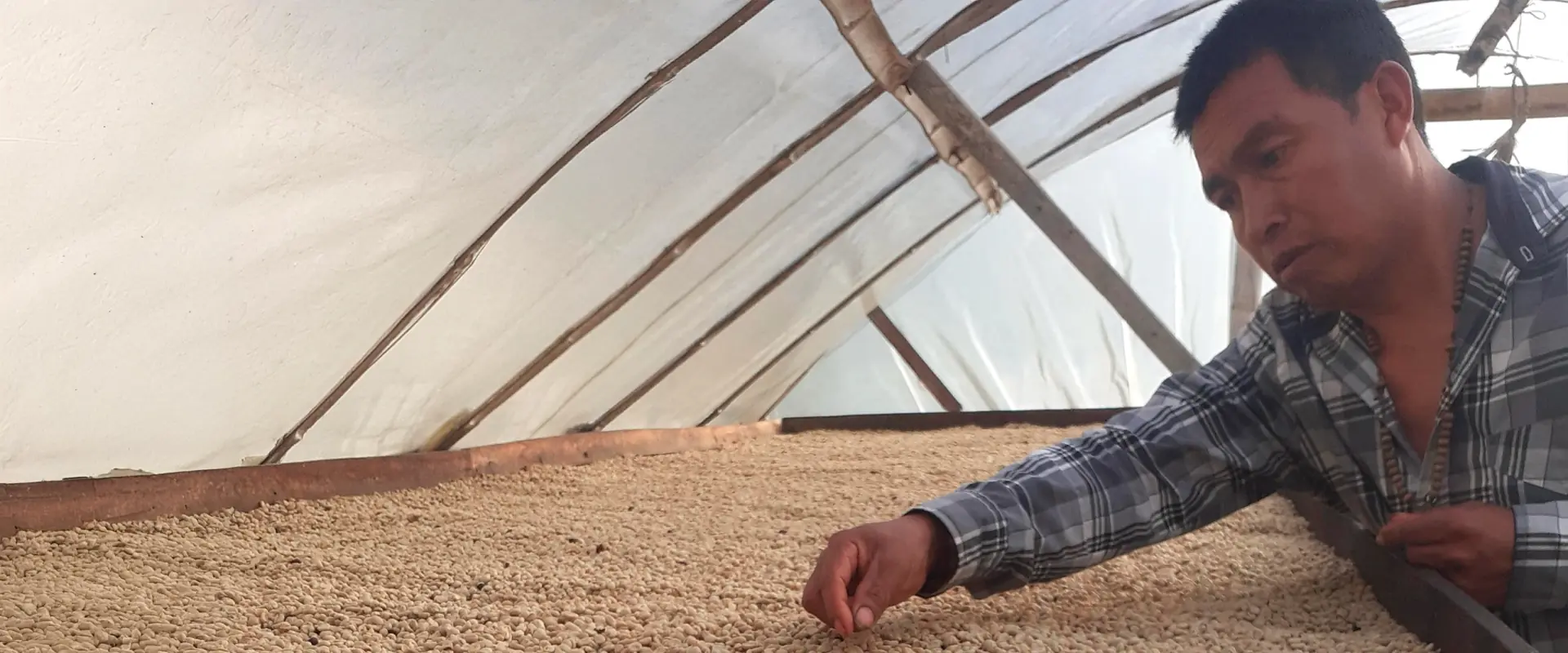
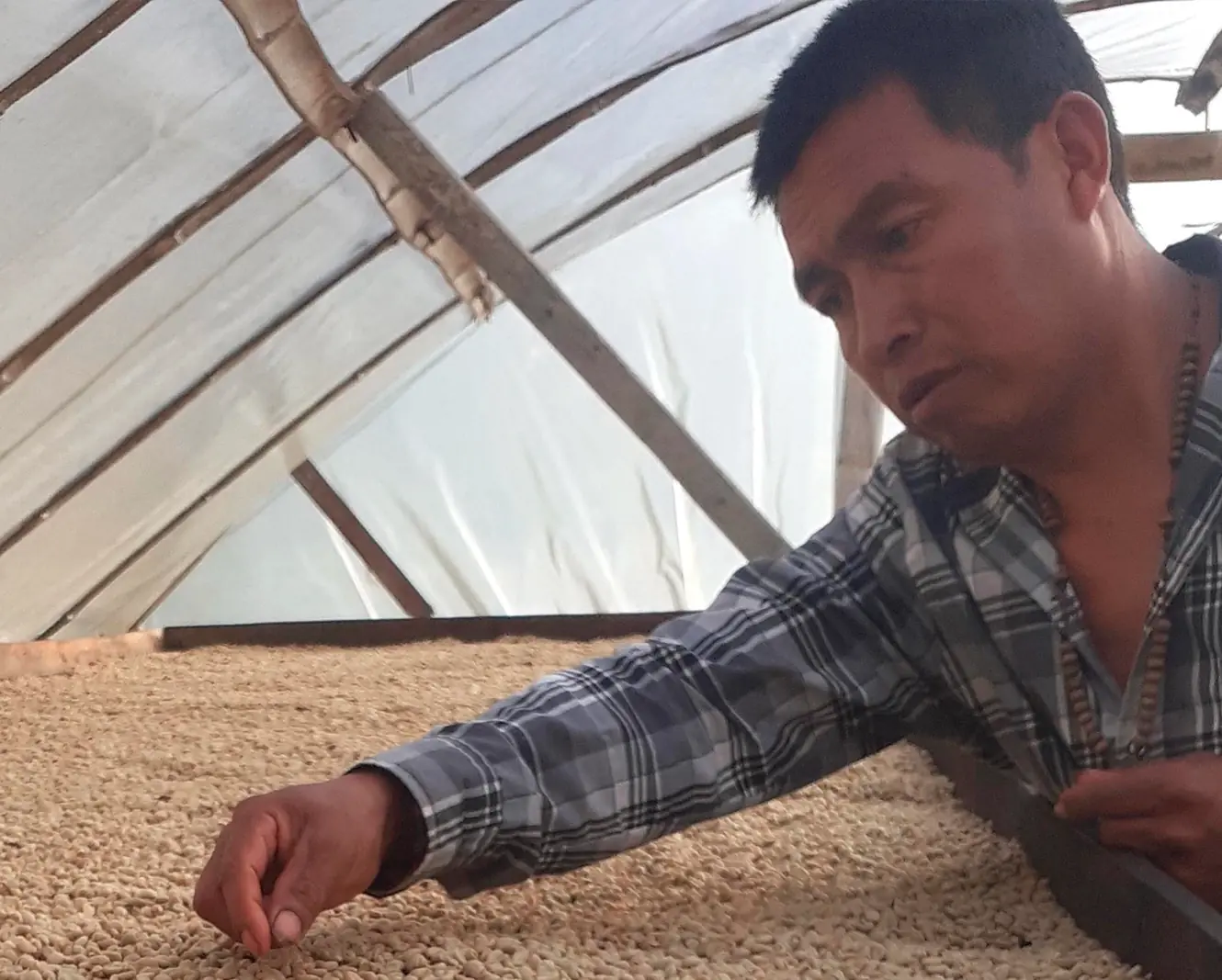
The coffee is stabilized for 3 to 4 weeks on drying beds. This slow drying is crucial for the longevity of the taste, before the coffee is ready for final threshing and physical selection for export.
Traditional Agriculture and Bioculture
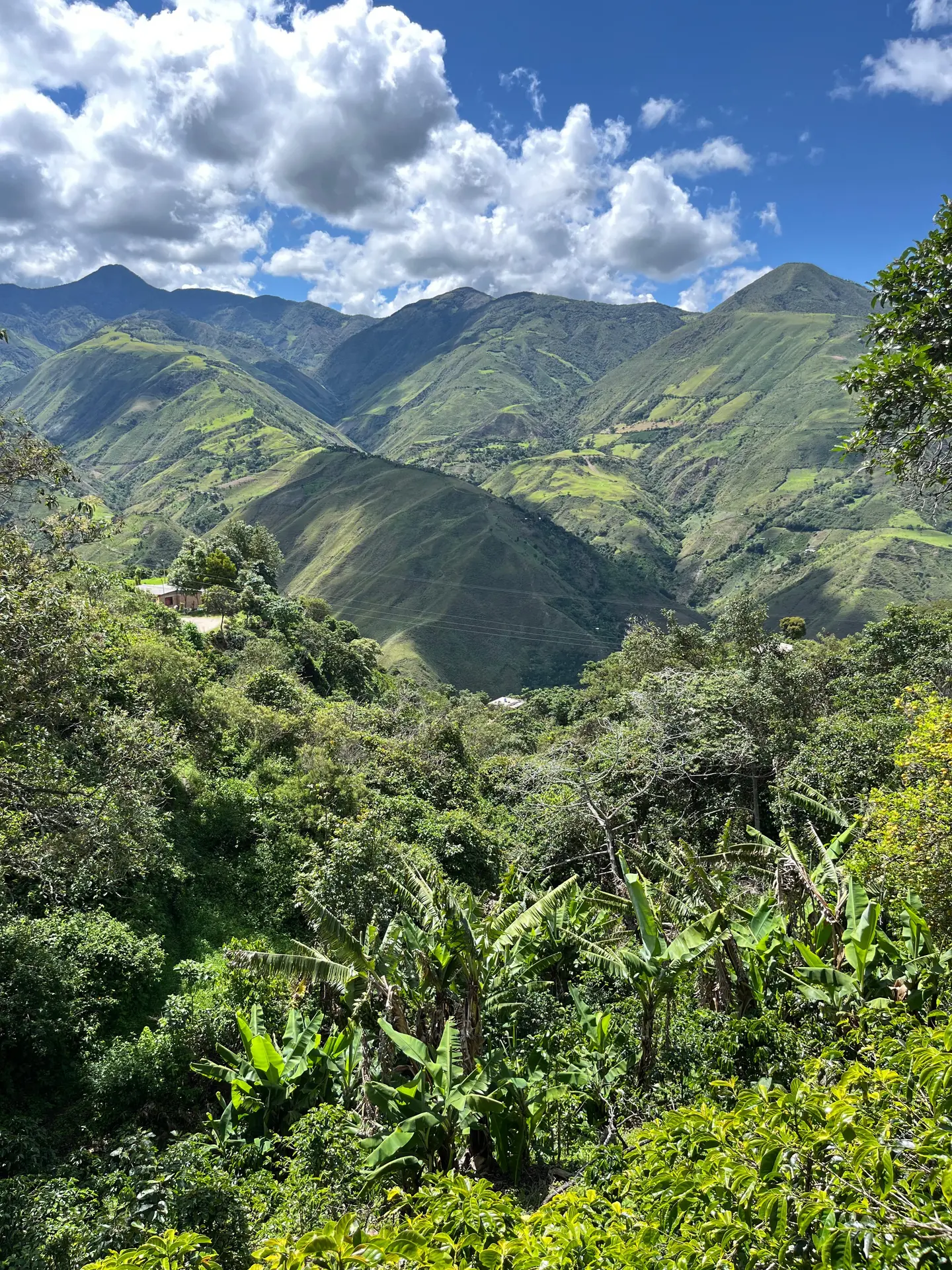
This technical process is based on a philosophy of absolute respect for the earth. Our cultivation integrates harmoniously with the forest, under a system of diverse shade-givers (Guamos and native fruit trees), which actively promotes reforestation and the preservation of biodiversity.
This commitment to the regeneration of the ecosystem and the preservation of the territory within the framework of the Wuasikamas ("Guardians of the Territory") initiative was internationally honored in 2015 with the UN Equatorial Prize – an award that recognizes the leadership of the Inga community in creating sustainable solutions for human development and the protection of nature.
The Lunar Calendar
We synchronize our agricultural work with the lunar phases.

New Moon (Days 1 to 5)
During these five days, we allow the plants absolute rest, as the sap concentrates in the roots. This phenomenon strengthens the structure of the fruit, gives it a higher natural resistance, and drastically reduces pest infestation.
Advantage:
Thanks to this biological cycle, we minimize the need for external pesticides.

Full Moon (1 Day: Rest & Bio-stimulation)
We dedicate this day to the regeneration of the plant to avoid deformations of the bean and ensure a harmonious development. On this day, only a foliar bio-stimulation takes place by spraying with a natural mixture of molasses and liquid calcium-boron.
Advantage of Bio-stimulation:
This nutrition acts like an instant energy boost. It strengthens the defense system, improves flowering, and ensures that the bean grows with superior density and quality.
Hybrid Nutrition System
To close our coffee's life cycle, we combine modern science with biological knowledge and provide the plants with nutrients every three months:
Mineral Basis
Balanced application of nitrogen, phosphorus, and potassium for the structural development of the plant.
Circular Economy
We return the composted coffee husks back to the soil, giving back the extracted nutrients and improving the organic structure of the soil.
Our model is aligned with the Sustainable Development Goals (SDGs) of the UN 2030 Agenda:

Clean Water
Decent Work
Responsible Production

Climate Action
Not labels, but concrete actions with traceable impact.